Blog
The Pomeranzengarten in Leonberg: A Forgotten Piece of Italy in Swabia
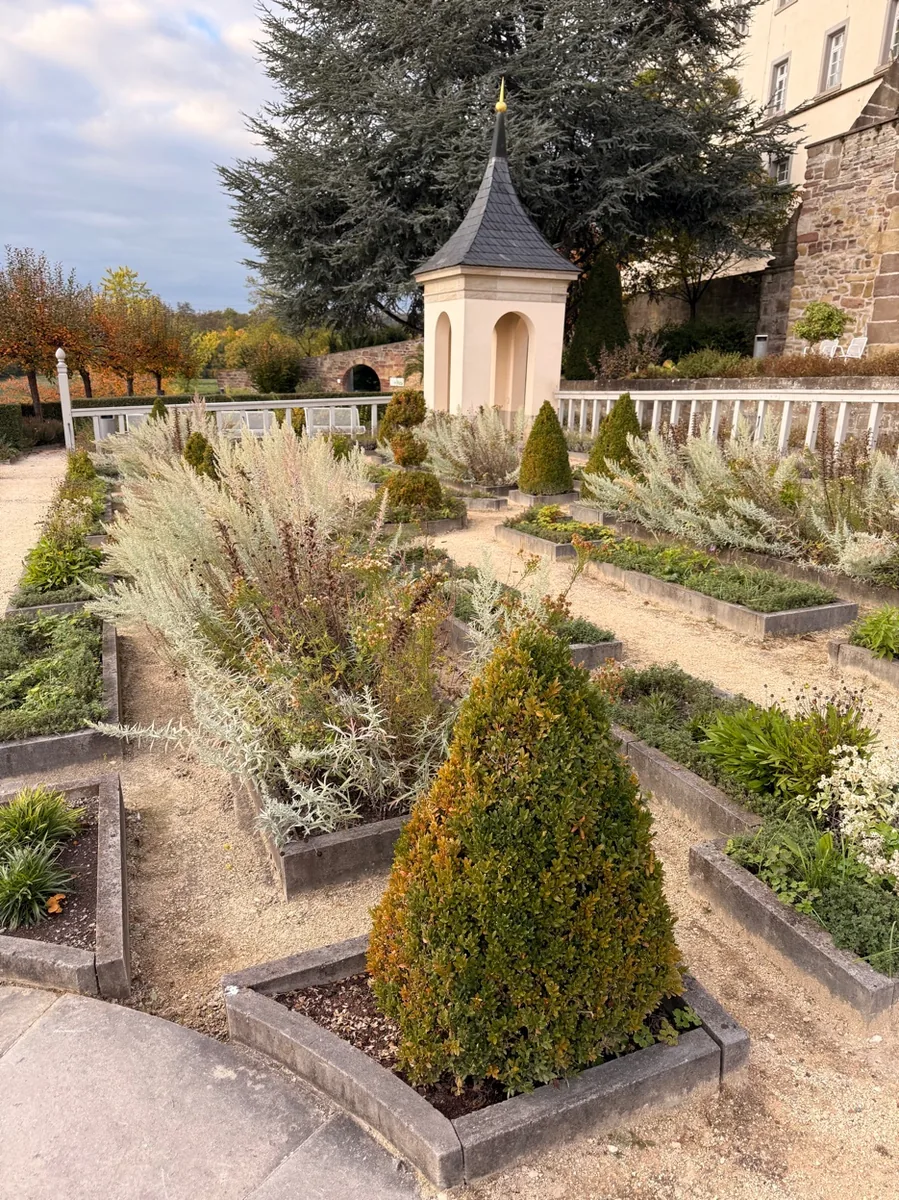
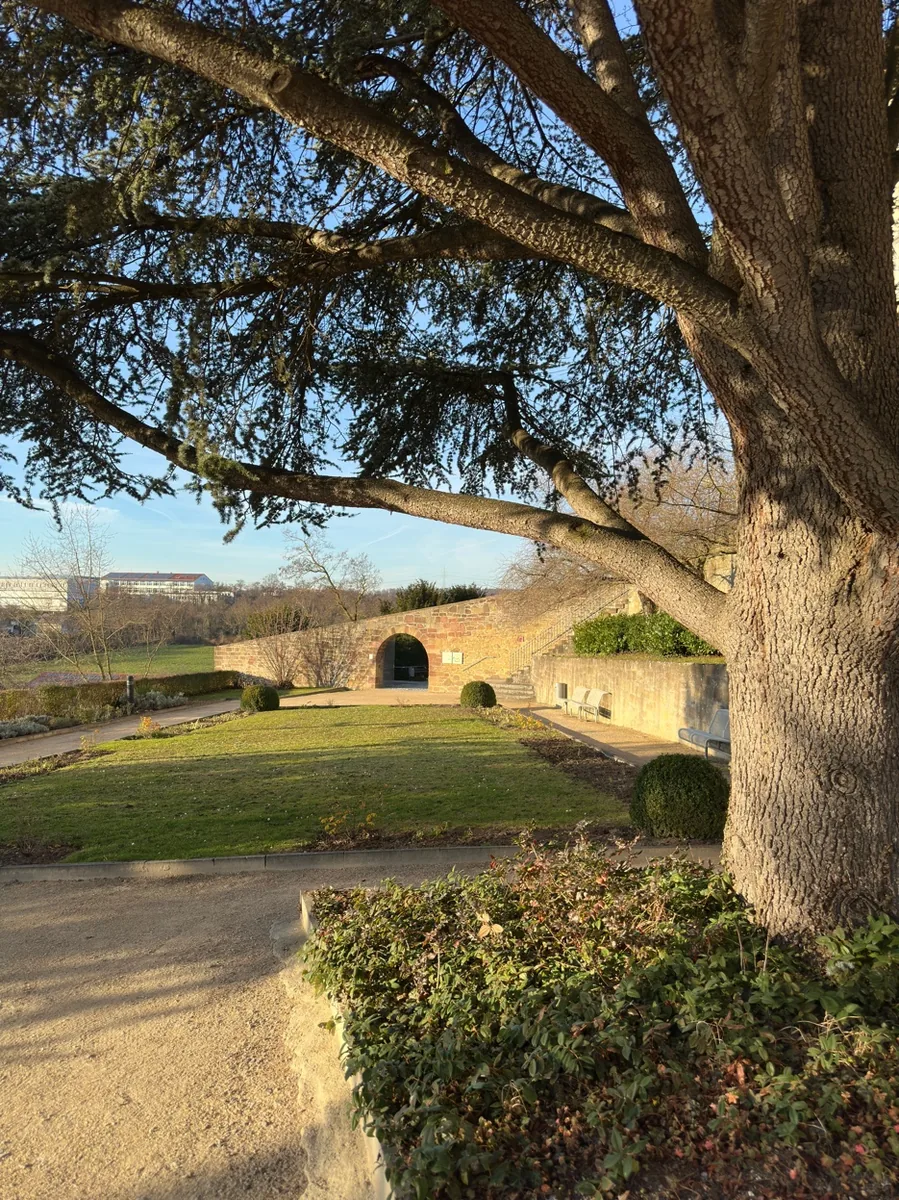
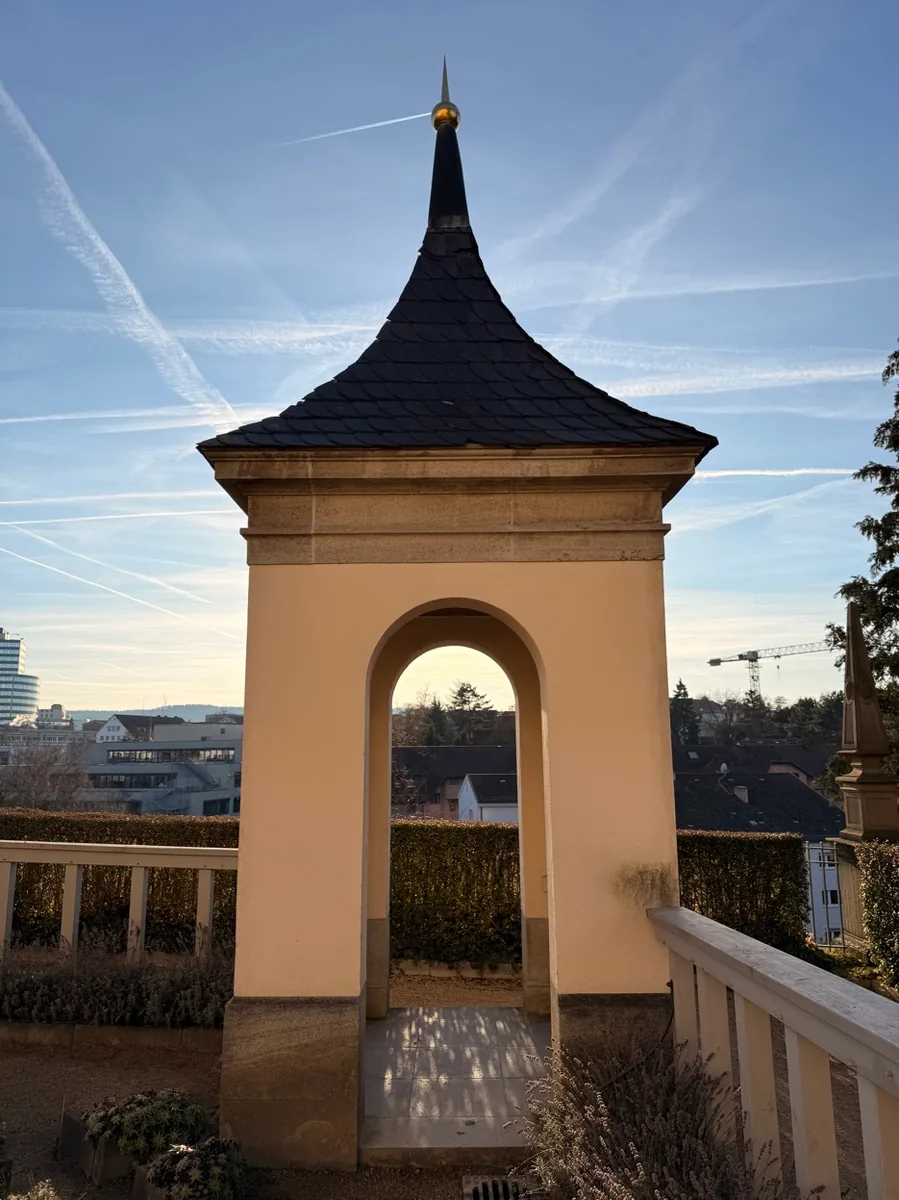
Hidden below Leonberg Castle is something that doesn’t really belong here: a piece of Italy. A Renaissance terraced garden, guarded by four little towers and adorned with fountains and obelisks — in the middle of a small Württemberg town. The only fully reconstructed garden of its kind in the whole of Germany.
But the real story isn’t the garden. It’s the woman who wanted it.
A duchess who made medicine from flowers
1609. Duchess Sibylla of Württemberg, 45 and widowed, moves into Leonberg Castle as her dower residence. Her son Johann Friedrich could just as well have sent her elsewhere — to Alsace or to Beilstein. But Sibylla wanted Leonberg. What followed was no ordinary retirement. Sibylla had the celebrated master builder Heinrich Schickhardt lay out a princely pleasure garden on the Italian model. With Pomeranzen — bitter oranges, so rare and precious at the time that merely owning them signalled power and worldliness. Yet Sibylla was not a woman who merely wanted pretty flower beds. Together with her friend Helena Magenbruch — a court apothecary and a physician’s daughter — she experimented with medicinal plants and made her own remedies. The garden was paradise and laboratory at once. At a time when women had scarcely any access to science, a duchess in Leonberg was researching plant-based medicine. Five years later, in 1614, Sibylla died. She was only 50. Her garden outlived her — for a while, at least.
Forgotten, overgrown, reborn
After Sibylla’s death the garden lost its purpose. At some point the castle was converted into a tax office and a regional court. No one looked after the Pomeranzen or the Renaissance fountains any more. The garden ran wild, and the beds vanished under weeds. It was not until 1980 that the state of Baden-Württemberg decided to reconstruct the garden from Heinrich Schickhardt’s original plans. What visitors see today is no fantasy — it is the design of 1609, brought back to life. Four corner towers, two basin fountains, an octagonal fountain with an obelisk bearing Schickhardt’s engraved dedication to the duchess. The beds change with the seasons: tulips and daffodils in spring, peonies in summer. And once the Ice Saints have passed, out come the Pomeranzen — just as they did more than 400 years ago.